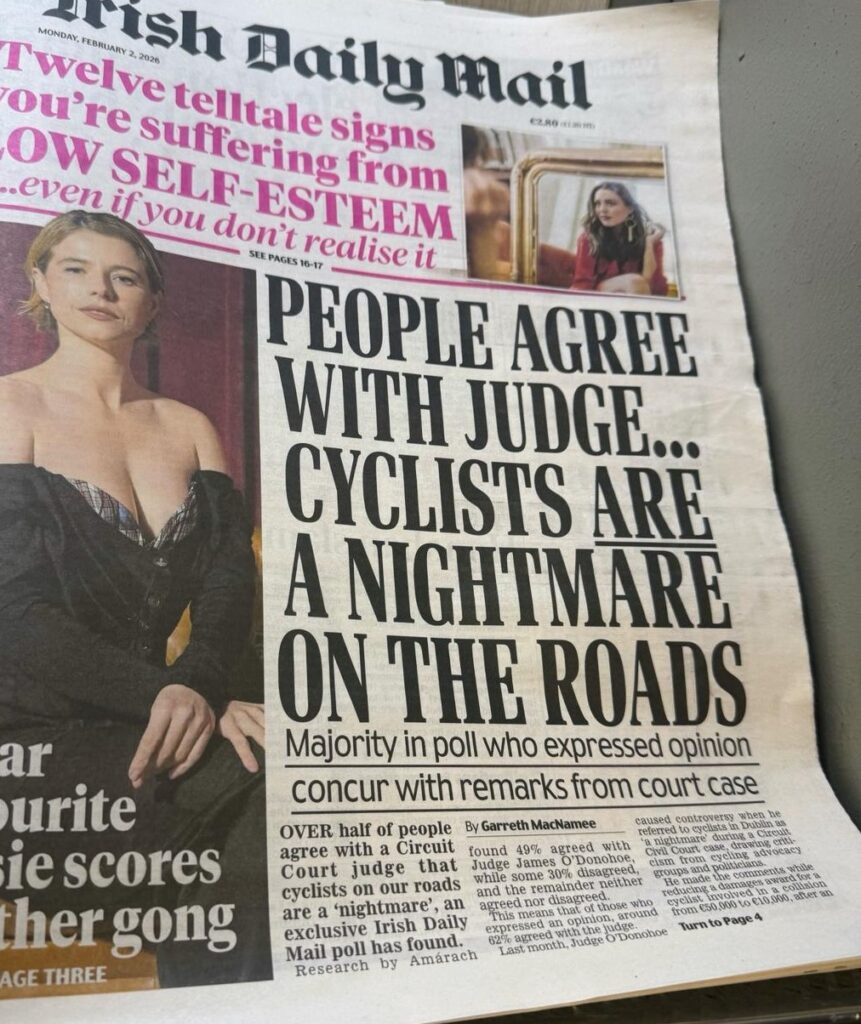
The recent comments made by Judge James O’Donohoe regarding cyclists have garnered significant media attention, prompting a timely discussion about the broader issues surrounding vulnerable road users.
Understanding Vulnerable Road Users
Vulnerable road users are defined as individuals on the road who have less protection than vehicle occupants and face higher risks of injury or death in crashes. This group includes pedestrians, cyclists, motorcyclists, e-scooter users, children, and the elderly or disabled. Essentially, this could encompass anyone in your family; they are not outsiders but rather normal human beings navigating our streets.
Driver Behavior and Road Rules
As urban environments evolve and more individuals engage in cycling and other forms of transport for recreation or commuting, the importance of driver behavior and knowledge of road rules becomes increasingly critical. The current landscape reveals significant gaps in understanding and adherence to traffic regulations, which can lead to dangerous situations for both vulnerable road users and motorists.
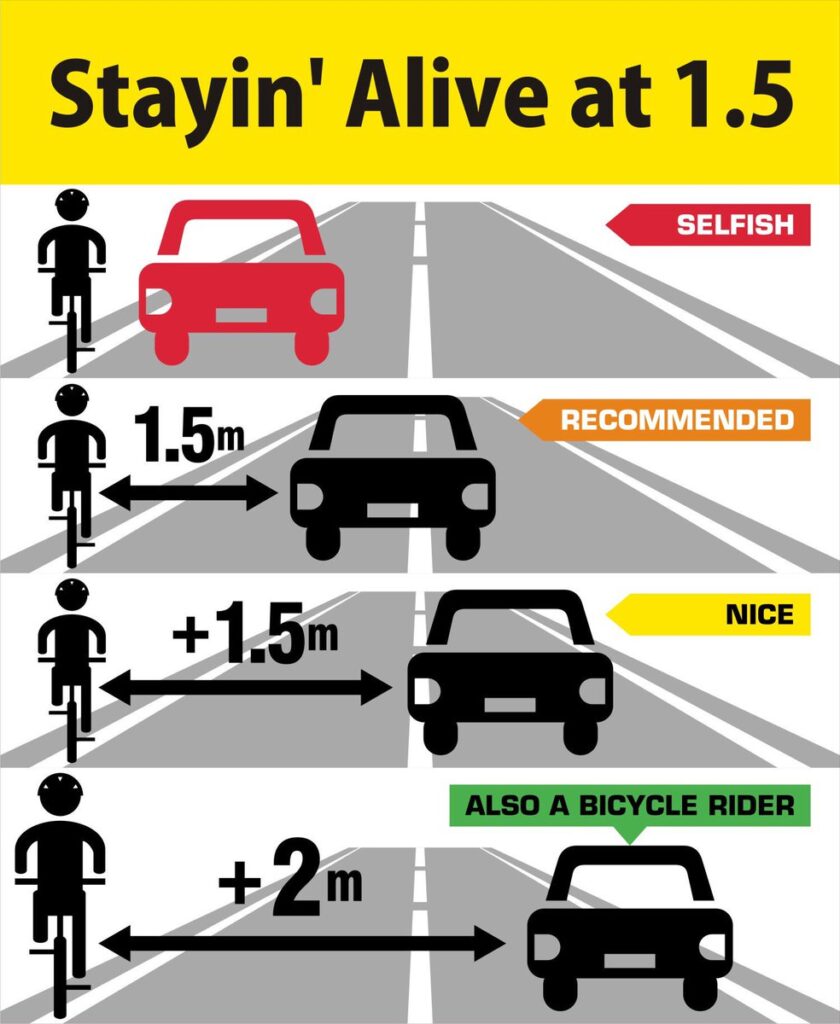
Many drivers exhibit a lack of awareness regarding the rights of cyclists on the road. This ignorance often manifests in aggressive driving behaviors, such as failing to provide adequate space when passing cyclists or neglecting to yield the right of way at intersections. Improved education on road sharing is essential. Incorporating comprehensive cycling safety education into motor vehicle licensing training could enhance drivers’ understanding of how to interact safely with cyclists. This education should emphasize the importance of maintaining a safe distance—ideally 1.5 meters—when passing cyclists and other vulnerable road users, as well as the necessity of slowing down in their vicinity.
Moreover, the increase in vehicle speeds, particularly in rural areas where speed limits may not be strictly enforced, poses a significant risk. Cyclists often find themselves in precarious situations where a moment’s inattention from a driver can lead to severe consequences. The rise in distracted driving incidents further exacerbates this issue, highlighting the urgent need for stricter enforcement of traffic laws and more public awareness campaigns aimed at both drivers and cyclists. A review of road use laws from other countries, such as Spain, could provide valuable insights for improving safety in Ireland.
Cyclist Training and Regulations
Currently, anyone can ride a bicycle or scooter without any formal training or understanding of the rules of the road. This lack of regulation is particularly concerning for recreational cyclists and commuters who may not be aware of the specific laws governing their behavior on the road. Implementing mandatory training programs for cyclists could significantly improve safety. Such programs would educate cyclists on traffic laws, safe riding practices, and how to navigate urban environments effectively. Training should also cover the appropriate use of bike lanes, Greenway use, smarter travel infrastructure and shared paths.
At the end of the day the more people that use non motorised transport the better for the environment and especially ones health now that Ireland has one of the highest obesity rates in Europe